
Western Classical Instrumental Music
A rich and diverse tradition that spans over 500 years, from the Renaissance to the present day. It encompasses a wide range of styles, forms, and instruments, and has been shaped by the contributions of countless composers, performers, and musicians.
Characteristics
- Emphasis on harmony, melody, and rhythm.
- Use of traditional Western instruments: strings, woodwinds, brass, and percussion.
- Often features complex musical structures, such as sonata form and fugue.
- Typically performed by soloists, chamber ensembles, or orchestras.
Western Musical Instruments
-
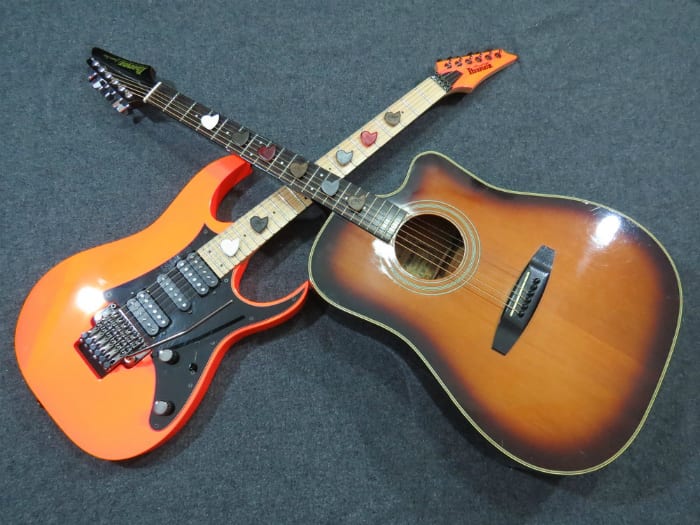
Guitar
-
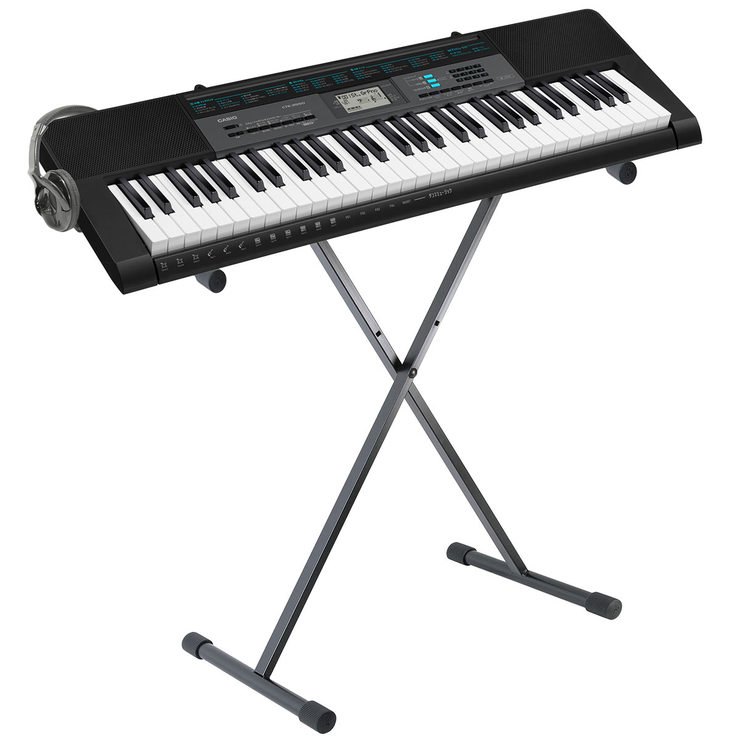
Electric Keyboard
-
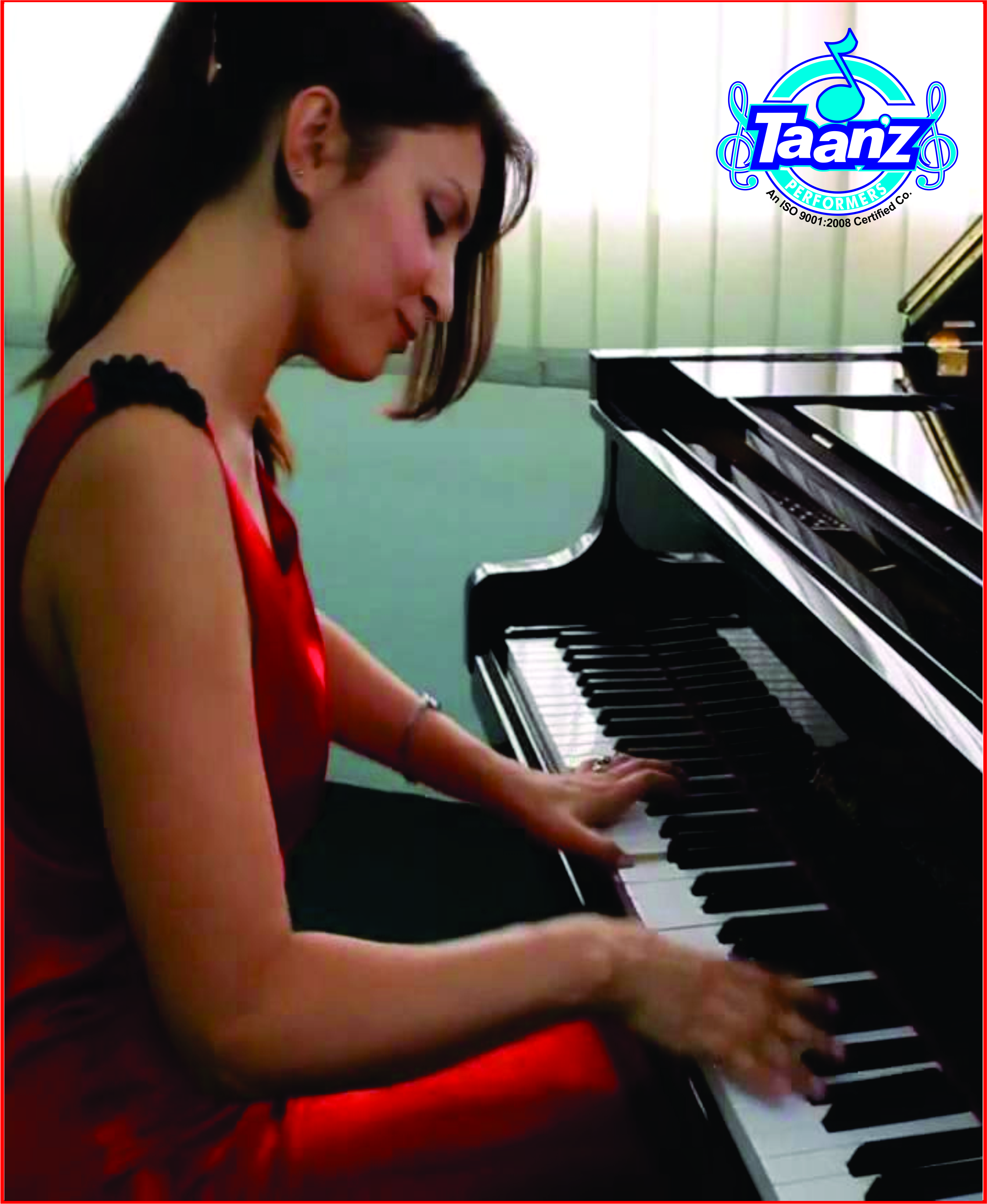
Piano
-
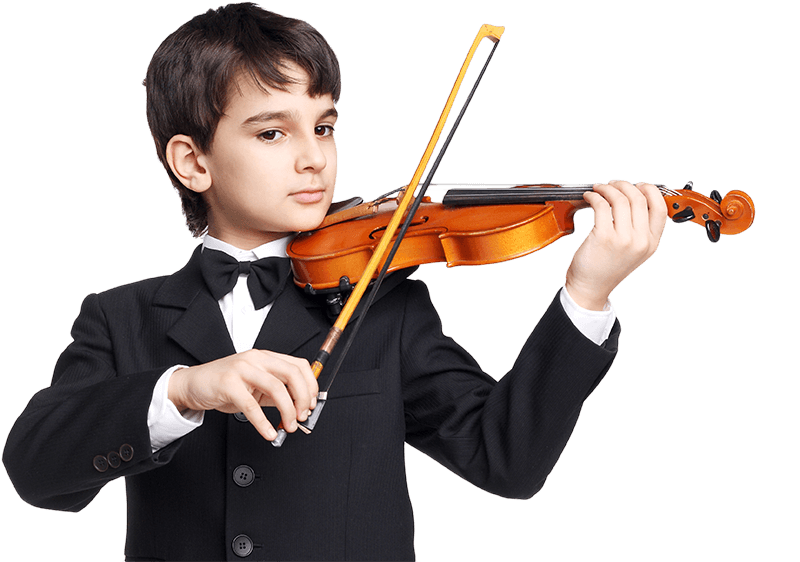
Violin
-
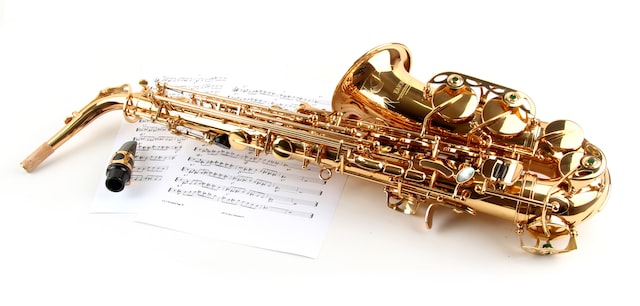
Saxophone
-
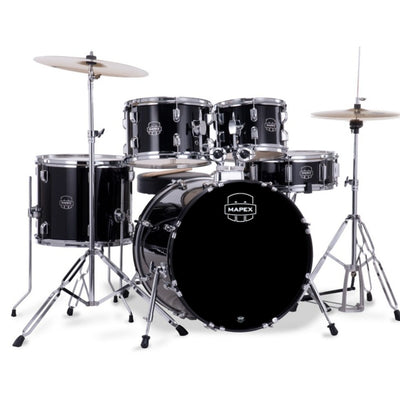
Drums
-
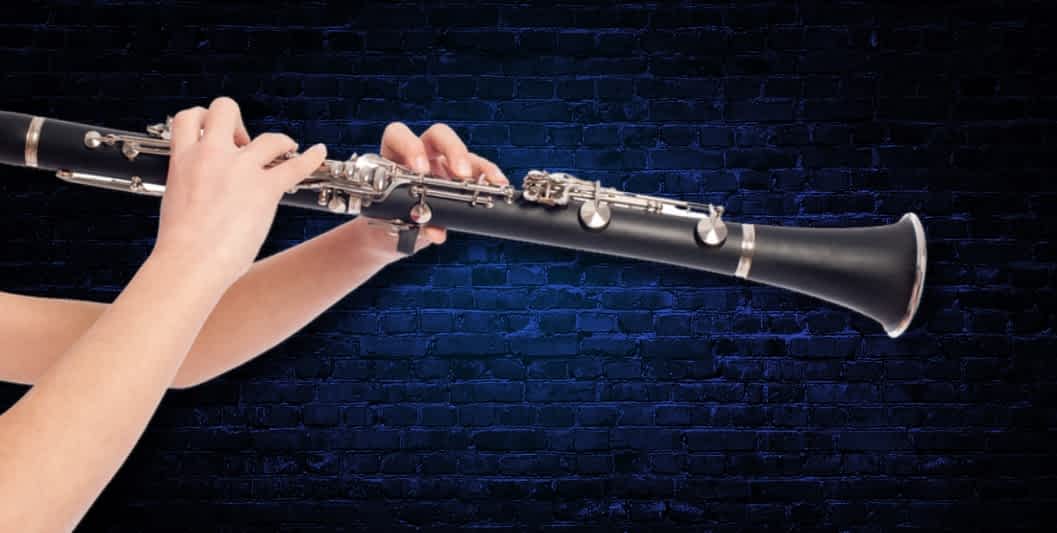
Clarinet
-
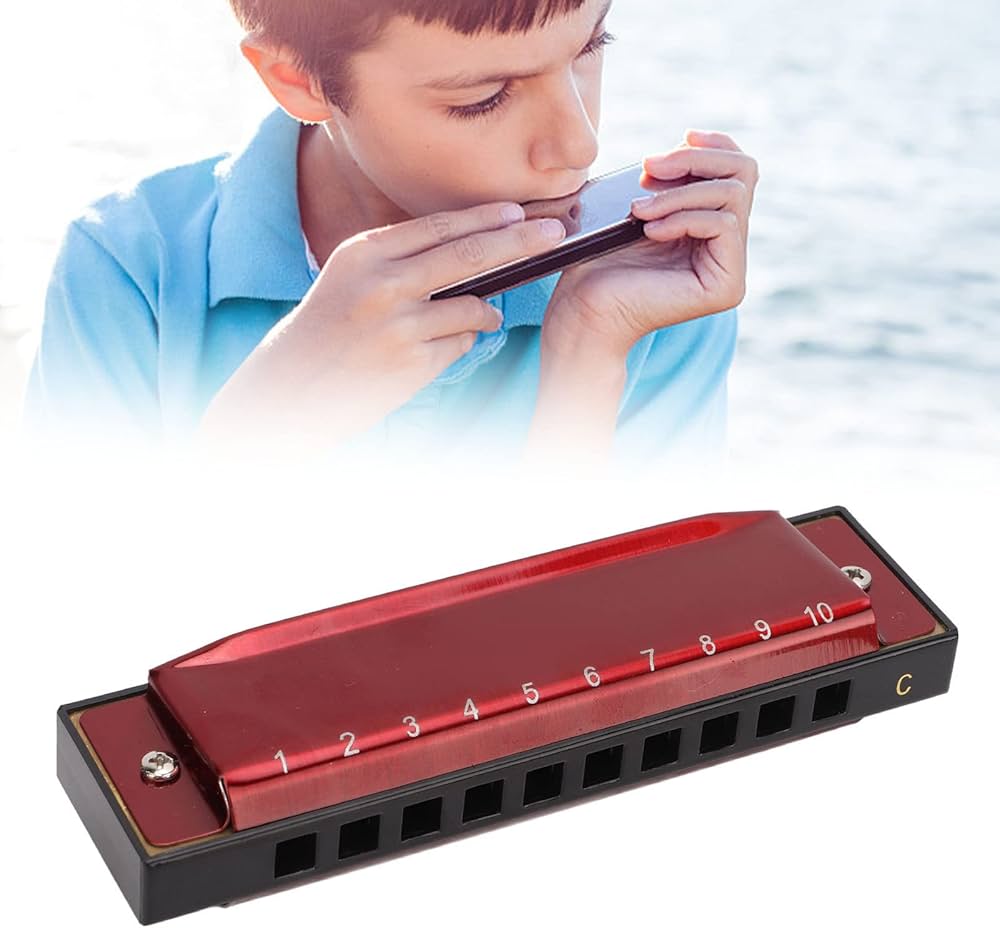
Mouthorgan
-
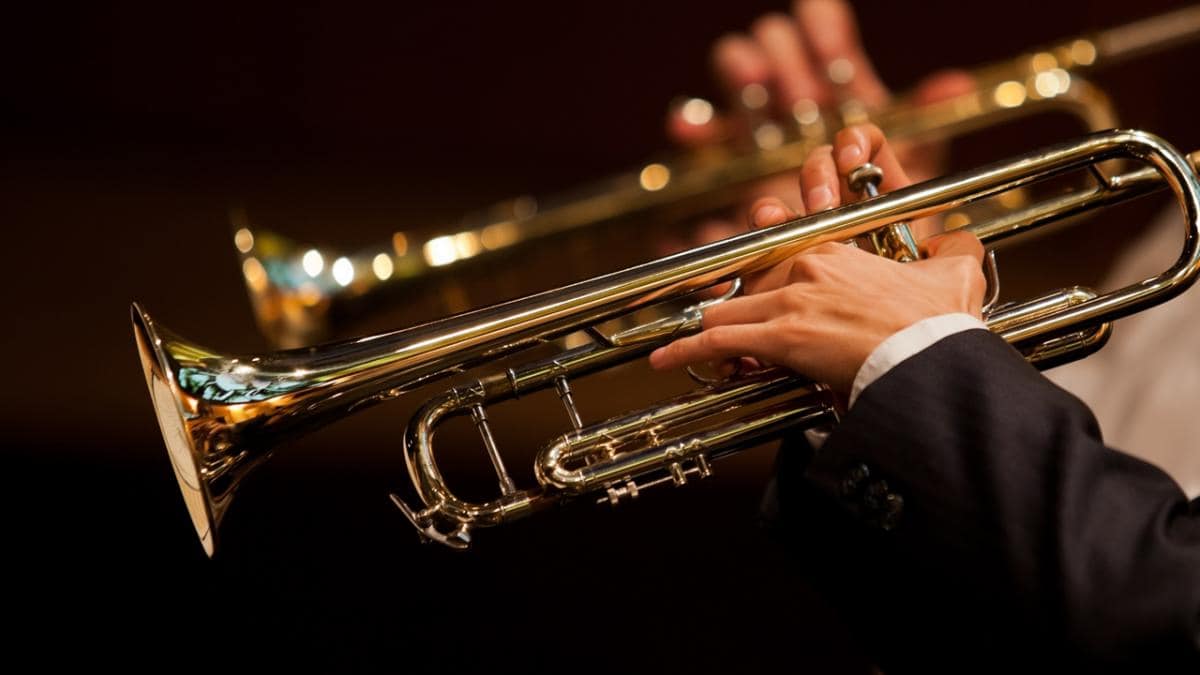
Trumpet
-
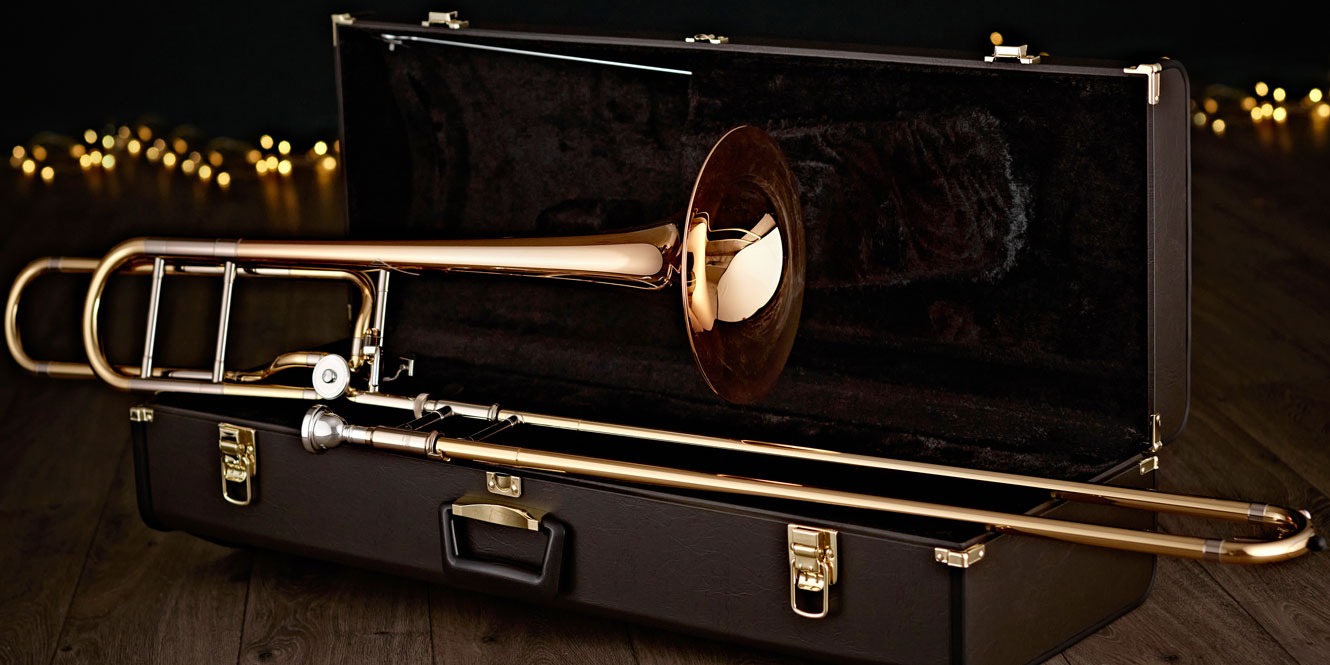
Trombone
-
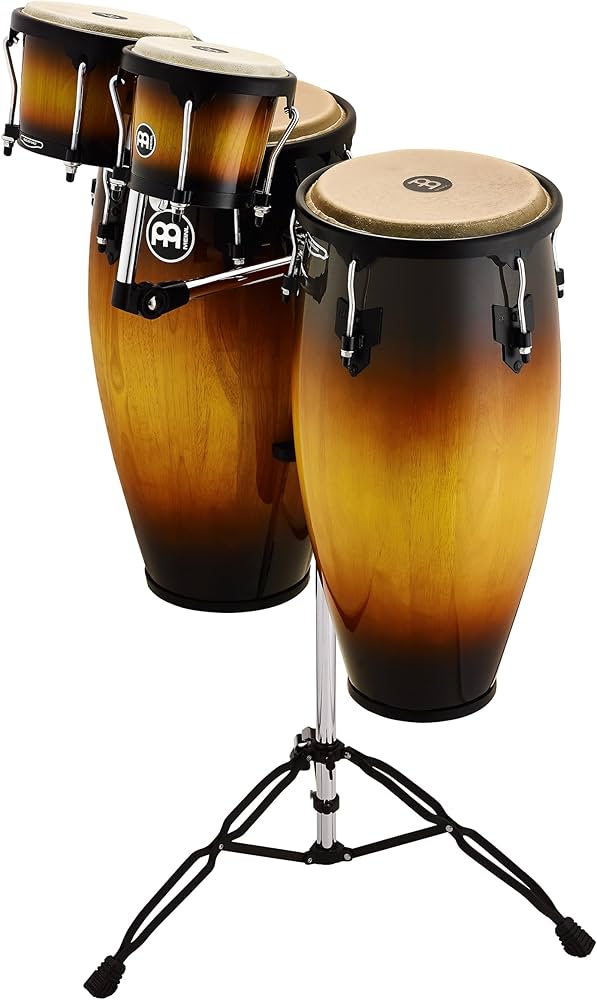
Conga
-
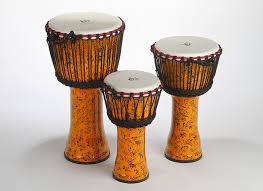
Djembe
-
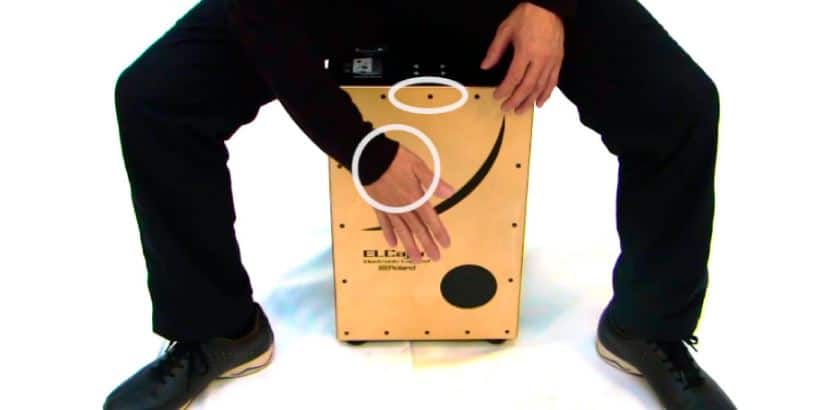
Cajon
Famous Instrumental Composers
- Bach: Known for his fugues and inventions for keyboard.
- Mozart: Known for his piano concertos and symphonies.
- Beethoven: Known for his piano sonatas and powerful symphonies.
- Chopin: Known for his exquisite piano music (nocturnes and waltzes).
- Brahms: Known for his symphonies and chamber music.